
Brian Carroll, March 2026
Introduction
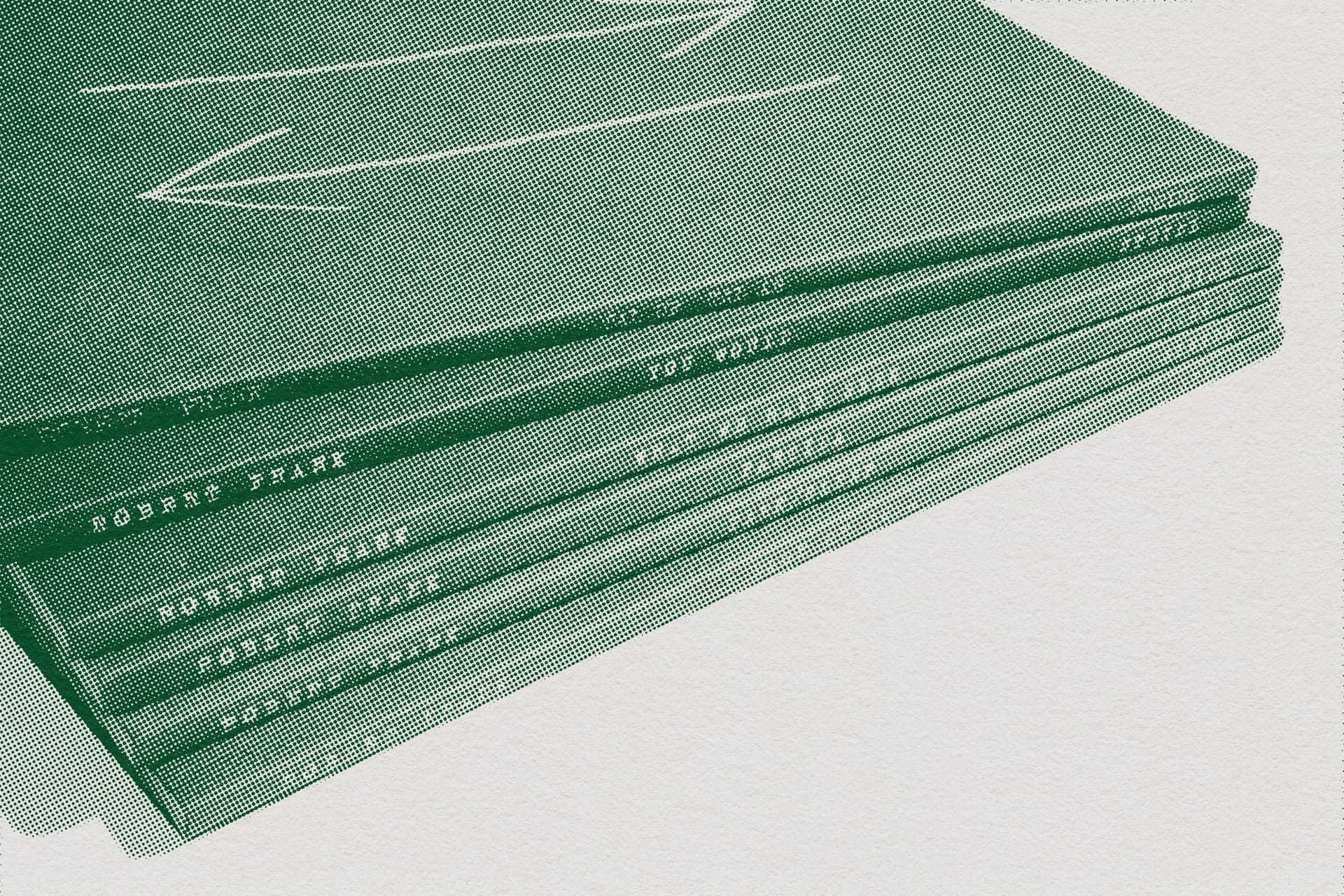
We often think of a photography archive as a place where things are stored: boxes of negatives, folders of contact sheets, hard drives of digital files, exhibition prints wrapped in tissue, and carefully catalogued documents waiting for future researchers. For photographers, especially those with long and evolving careers, the archive is not only a record of what work they've made, it's also a way of thinking about how the work should be discovered, engaged with, interpreted, and taken forward. In this context, the photobook deserves to be understood as a living archive.
Unlike a conventional archive which may aim for completeness, the photobook can be selective by not attempting to preserve everything, instead, it proposes a path or route through the work. The photographer decides where the viewer begins, what comes next, what is withheld, and how one image speaks to another.
Sequencing and routes through a photobook
It's worth pausing here on a 'route' through a book as there could be more than one. A photographer can offer different routes through the same body of work by deliberately changing sequence, edit, rhythm, pairing, scale, captioning, and also omission.
Subscribe to continue reading